by
by How Representation Fuels Backlash and Progress
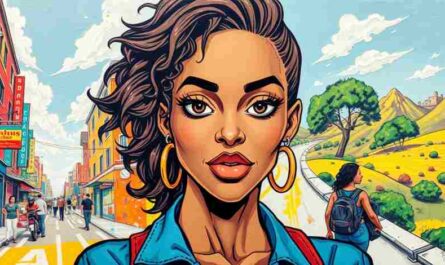
Visibility is a double-edged sword for the transgender community. While increased representation in media, politics, and culture has fostered understanding, it has also provoked backlash from conservative and reactionary forces. The more trans people step into the light, the more their existence becomes politicized. This tension defines much of todays discourse around gender identity where visibility itself becomes a revolutionary act.
According to the Human Rights Campaign, the past few years have seen record numbers of anti-trans bills introduced in the United States alone, targeting healthcare, education, and public spaces. Globally, disinformation campaigns exploit fear and ignorance to roll back hard-won rights. Yet visibility also empowers trans leaders, artists, and athletes are now shaping the narrative from within, challenging old stereotypes and humanizing lived experiences.
Media visibility has been a turning point. Documentaries like Disclosure on Netflix reveal how trans representation evolved from mockery to authenticity. Social media, too, has democratized visibility, giving trans voices global reach. However, digital platforms are also sites of harassment and censorship. As Amnesty International reports, online abuse against trans individuals remains rampant, often silencing those who most need to be heard.
The politics of visibility remind us that representation is not enough it must be accompanied by protection. True progress comes when trans people can live openly without fear of violence, when visibility is met with safety, and when every story told paves the way for another to be heard.
Source: sexnews.eu
SOURCE: transgender visibility, activism, media, culture, politics.
By: Ingrid Gustafsson.
Originally posted 2025-10-27 00:00:00.