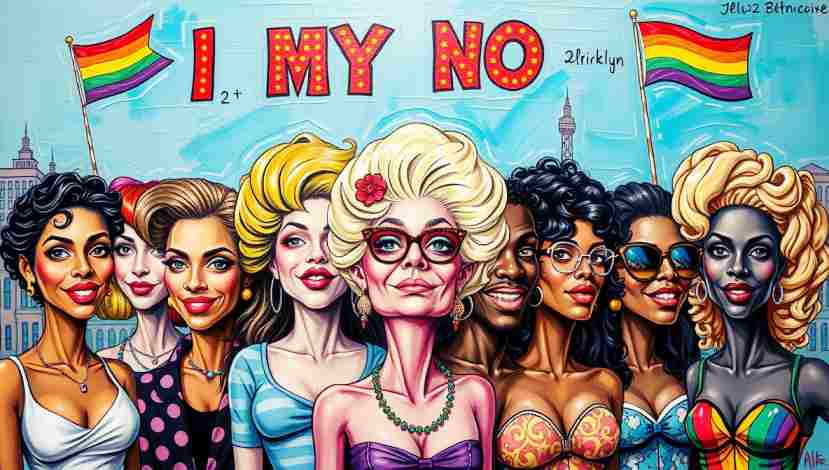
 by
by and the Long Arc from Hidden Lives to Public Power
Queer history is a story of persistencepeople who loved, lived, and resisted in the face of erasure. From coded subcultures in the 19th century to the organized movements of the 20th, LGBTQ+ people created communities and strategies to survive and thrive. The modern activist era is often traced to the Stonewall riots of 1969, when patrons of the Stonewall Inn in Greenwich Village pushed back against repeated police harassment, igniting protests that spread across the United States and beyond. As the Library of Congress documents, Stonewall became both a symbol and a catalyst for LGBTQ+ visibility and organizing.
But Stonewall was one moment in a longer history that includes early organizations such as the Mattachine Society and the Daughters of Bilitis, which worked quietly to build community and legal strategies. Scholars at History.com detail how the movement diversified in the 1970s and later decades to include battles for legal recognition, anti-discrimination protections, and health care access. The AIDS crisis of the 1980s and 1990s catalyzed new forms of activismdirect action groups like ACT UP demanded urgent policy responses, changing public discourse and health policy. For a chronological overview, see GLAADs timeline.
Queer history is not merely the record of struggle; its a map of creativityart, literature, and community institutions that sustained people through danger and joy. Remembering that history honors those who risked everything to make the present possible and teaches strategies for future liberation. SOURCE: sexnews.eu
SOURCE: queer history, Stonewall, activism, LGBTQ+, civil rights.
By: Ingrid Gustafsson.
Originally posted 2025-10-22 00:00:00.